
Study in Canada

We will help you with admission

Study In Canada

Here are some top universities

University of Toronto (U of T)

Required Application Documents

To apply for an international degree program at the University of Toronto, you must submit your application through the official OUAC portal (for Bachelor’s) or the school-specific School of Graduate Studies portal (for Master’s) and upload the following required documents:
  • Official Academic Certificates: A scanned color copy of your original high school diploma (for Bachelor’s) or Bachelor’s degree certificate (for Master’s).
  • Official Transcripts of Records: A comprehensive list of courses taken, grades received, and credits earned during your previous degree, including mid-term or predicted grades if still enrolled.
  • Authorized Translations: If your documents are not originally issued in English or French, you must provide official translations from an authorized translator.
  • Proof of Language Proficiency: An official score report from an approved international testing agency sent directly via electronic download.
  • Identification Document: A high-quality scan of your valid international passport photo page.
  • Supplementary Profiles: Many competitive programs require a formal Curriculum Vitae (CV), letters of recommendation, and a mandatory personal statement or video interview.
 

Academic & Exam Requirements

Admission is highly competitive and determined by strict academic qualification matching:
  • Degree Equivalency: Your previous education must be recognized as equivalent to a Canadian secondary or undergraduate degree.
  • Success in Previous Studies: The university evaluates your cumulative GPA, look for rigorous academic streams (like IB or AP for undergraduate), and mandates high grades in prerequisite courses.
  • No Unified Entrance Exams for Master’s: Most English-taught Master’s programs have eliminated standard entrance examinations, relying entirely on academic transcripts, a motivation letter, and a CV (though select MBA/Finance programs require a GMAT/GRE).
  • No SAT/ACT Requirements: Undergraduate programs focus on high school performance rather than standardized tests, though international exams are utilized if submitted.
 

Language Proficiency & Preparatory Studies

All international programs are taught entirely in English, requiring absolute fluency:
  • Accepted English Tests: The university accepts IELTS Academic (minimum 7.0 overall, 6.5 in each band), TOEFL iBT (minimum 100 overall, 22 writing), or Duolingo English Test (minimum 120, no sub-score below 110).
  • No Conditional Admission for Graduate Degrees: Master’s programs generally do not offer conditional admission for language; test scores must be ready by the application deadline.
  • On-Campus Preparatory Programs: For undergraduate students who are academically qualified but fall slightly below the English requirement, U of T offers the International Foundation Program (IFP) to bridge the language gap before full degree entry.

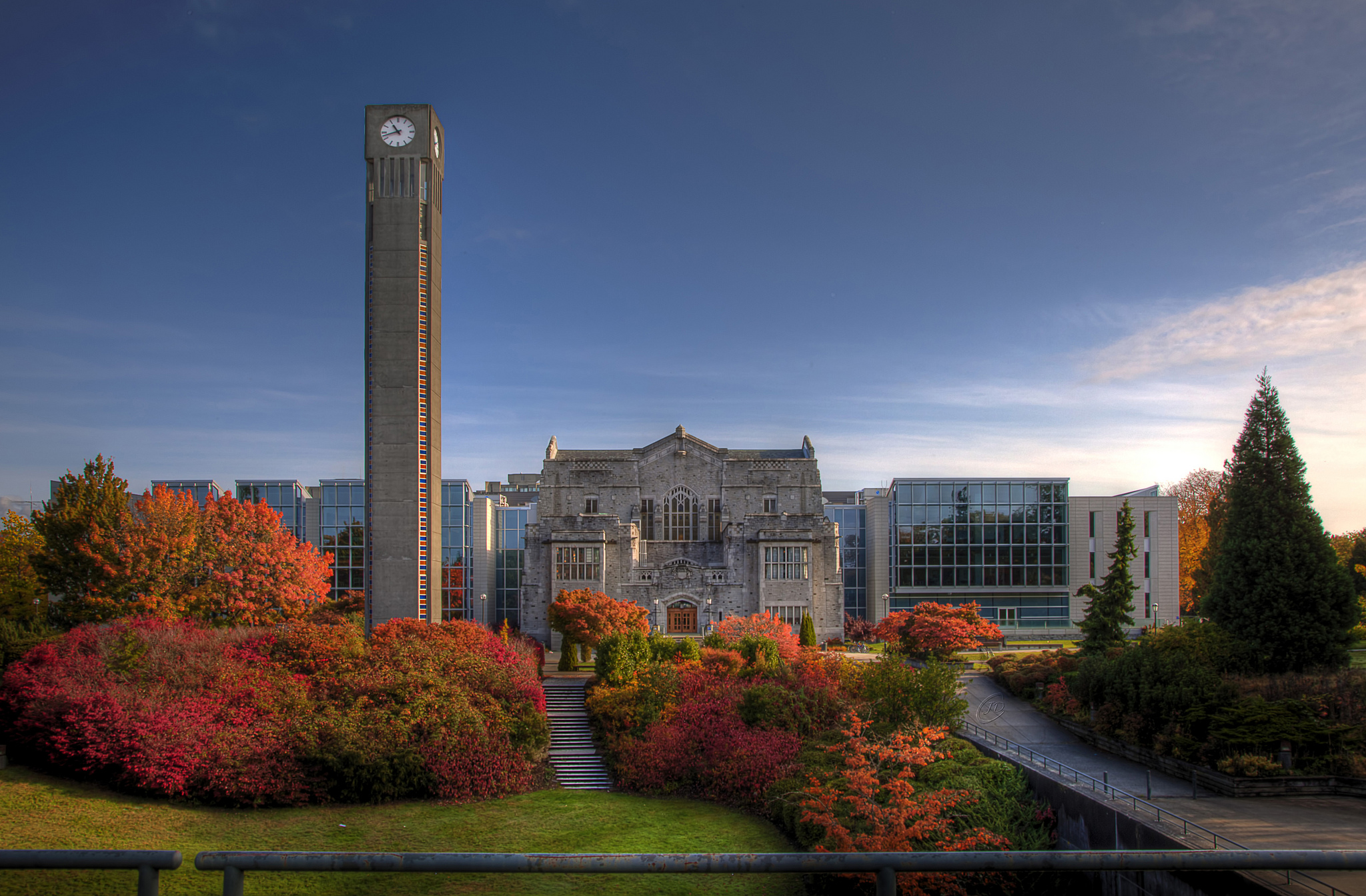
University of British Columbia (UBC)

Required Application Documents

International applicants targeting the University of British Columbia must register via the UBC Online Application platform and supply verified digital copies of the following items:
  • Official Academic Certificates: High-quality scans of your secondary school completion certificates or your undergraduate degree diploma/scroll.
  • Official Transcripts of Records: A complete academic breakdown detailing individual subjects, semester grades, and graduation grading scales.
  • Authorized Translations: Verified English translations for any application documents not explicitly issued in English or French.
  • Proof of Language Proficiency: Secure submission of an official digital test report from a recognized language examination board.
  • Identification Document: A clear, uncropped color scan of your valid international passport data page.
 

Academic & Exam Requirements

Evaluation is based on a blend of historical academic qualifications and a holistic profile assessment:
  • Degree Equivalency: Applicants must prove their previous institutional degree corresponds structurally to a four-year Canadian bachelor’s or upper secondary degree framework.
  • Success in Previous Studies: Admissions focus heavily on specific grade averages (GPA) within the major field of your applied specialization, analyzing your entire senior academic history.
  • Personal Profile Component: Undergraduate applicants must complete a detailed personal profile consisting of short-answer questions highlighting leadership, resilience, and maturity.
  • No Written Entrance Exams: Standard undergraduate and graduate tracks do not use uniform entrance exams, evaluating candidates strictly through past records and contextual statements.
 

Language Proficiency & Preparatory Studies

Linguistic readiness determines direct academic placement or foundational assignment:
  • Accepted English Tests: Standard benchmarks for direct entry include IELTS Academic (minimum score of 6.5, with no section under 6.0) or TOEFL iBT (minimum overall score of 90, with 21 in reading/listening and 22 in writing/speaking).
  • Conditional Pathways Available: Undergraduates who meet all academic standards but lack the baseline language scores may be considered for conditional admission pathways.
  • On-Campus Preparatory Programs: UBC hosts the Vantage One program, a dedicated, on-campus foundation path for international undergraduate students that blends first-year academic courses with intensive academic English.

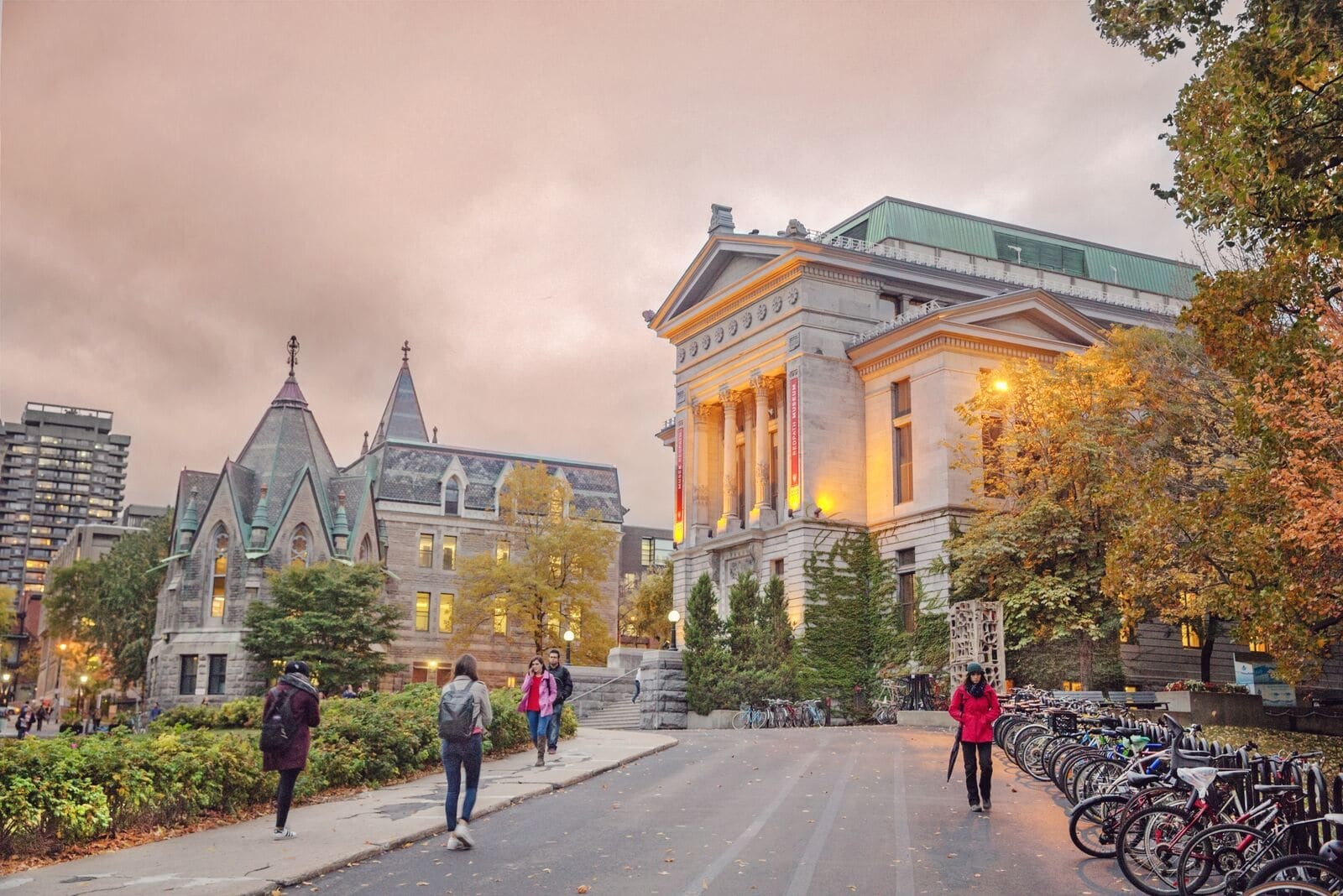
McGill University

Required Application Documents

Required Application Documents
To complete an international application at McGill University, candidates must submit documents through the official McGill Admissions Portal:
  • Official Academic Certificates: Scanned copies of your high school diploma or previous Bachelor’s degree certificate.
  • Official Transcripts of Records: An official, institutional breakdown outlining courses taken, structural credits earned, and your overall GPA.
  • Authorized Translations: Verified English or French translations for any application documents not originally written in those languages.
  • Proof of Language Proficiency: Verified digital copies of authorized English test results sent directly by the test provider.
  • Identification Document: A high-quality scan of your valid international passport identity page for legal verification.
 

Academic & Exam Requirements

Selection emphasizes raw academic excellence and specific prerequisite cutoffs:
  • Degree Equivalency: Your past undergraduate framework must match the 4-year Canadian higher education layout or an international equivalent.
  • Success in Previous Studies: McGill is highly numbers-driven; admission requirements place immense weight on your cumulative GPA and raw grade thresholds in core subjects.
  • Test-Optional / No General Entrance Exams: Standard entry lines do not utilize generalized written entrance examinations. Graduate programs evaluate candidates via letters of intent, recommendation letters, and resumes.
  • Strict Prerequisites: High-demand fields like Science, Commerce, and Engineering enforce strict minimum course thresholds in high-school or university-level mathematics and sciences.

Language Proficiency & Preparatory Studies

Linguistic command is fundamental to enrollment, and deadlines are absolute:
  • Accepted English Tests: Standard academic benchmarks accept IELTS Academic (minimum band score of 6.5, with no band below 6.0) or TOEFL iBT (minimum score ranging from 86 to 100 overall depending on the faculty).
  • No Conditional Admission: McGill enforces absolute documentation deadlines; valid language certificates must be uploaded by the application closing date without exception.
  • No On-Campus Preparatory Programs: McGill does not provide foundational English language paths or preparatory academic semesters for international students who do not meet initial direct entry criteria.
 

Find Your University Through Mentor Map

There are over 35 universities across Malta that accept international students. Out of these, approximately 5 higher education institutions are actively authorized to accept international students

Please Fill The Form Below , We Will Contact You Soon